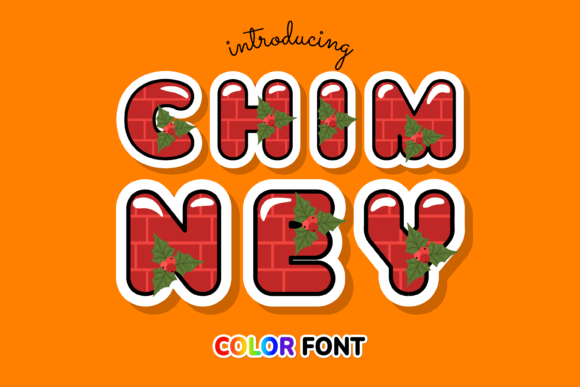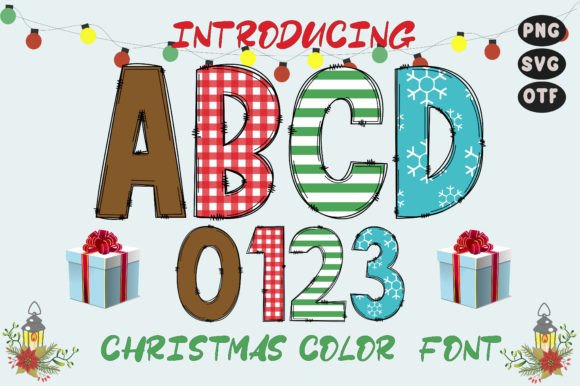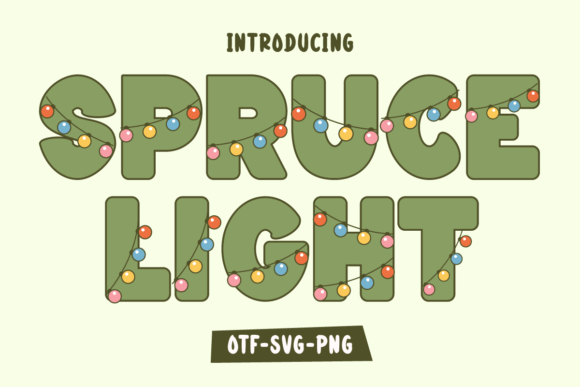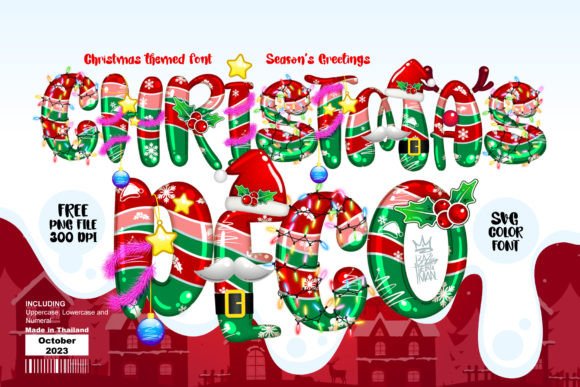
Christmas Deco: A Festive Color Font Worth Stitching?
First Impressions: Joyful, Playful — But Is It Embroiderable?
When Christmas Deco landed in my inbox, I paused mid-coffee. Not because it’s flashy or overdesigned — quite the opposite. It’s warm, slightly rounded, with gentle curves and subtle holiday charm: think candy cane accents, soft snowflake flourishes, and letters that feel like they’ve been hand-painted on a vintage ornament. As a designer who’s stitched hundreds of holiday projects — from baby onesies to boutique aprons — I immediately asked: Does this translate to thread, not just screen?
Christmas Deco is marketed as a color font, which tells me right away it’s built for digital display first. That means its magic lives in layered hues, transparency effects, and fine decorative details — all things embroidery machines can’t replicate directly. So before I even load it into my digitizing software, I’m mentally translating: Which parts will become satin stitch outlines? Where will fill stitches need breathing room? And most critically — will the “adorable” factor survive needle and thread?
A Real-World Test: Embroidering a Holiday Tote Bag for My Local Craft Pop-Up
Last week, I prepped a limited run of canvas tote bags for a downtown holiday market — simple, sturdy, unbleached cotton twill. My plan was clean: one centered phrase — “Joy to the World” — using Christmas Deco as the visual anchor. But here’s what happened when I tried to digitize it:
- The lowercase “o” has a tiny holly sprig inside — beautiful on screen, but too small to stitch cleanly at under 2 inches wide. I simplified it to a solid fill with a single satin border.
- The uppercase “J” ends in a curl that tapers to less than 0.8mm. On textured fabric? That detail vanished under stabilizer and thread tension. I extended the curve and added a slight weight boost.
- The overall letter spacing felt generous on screen — perfect for cards or SVG files — but translated to awkward gaps between words when stitched at 3.5 inches wide. I tightened kerning by 12% and tested three versions on scrap.
Bottom line: Christmas Deco isn’t plug-and-play embroidery. It’s a starting point — a delightful visual reference you’ll want to reinterpret, not replicate, stitch-for-stitch.
Where Christmas Deco Shines (and Where It Stumbles)
Let’s be practical. This isn’t about “good” or “bad.” It’s about fit.
Shines on:
- Sweatshirt embroidery — especially oversized crewnecks where letterforms can breathe and the playful weight reads clearly from across a room.
- Embroidered patches — when digitized with intentional stitch direction and moderate density, the festive personality holds up beautifully on twill or denim backing.
- Pillow covers & tea towels — medium-to-large scale applications where texture enhances, rather than obscures, the design’s warmth.
- Printable mockups — if you’re an Etsy seller showcasing designs, Christmas Deco adds instant seasonal credibility to your digital previews and listing graphics.
Use carefully on:
- Baby embroidery — delicate fabrics like interlock knit demand low stitch density and minimal underlay. Christmas Deco’s natural fullness needs thoughtful simplification.
- Caps & curved surfaces — tight crowns compress letterforms. The “C” and “S” in Christmas Deco lose definition fast without manual adjustment to arc and spacing.
- Dark or heavily textured fabric — fine interior details (like snowflakes tucked into counters) get lost unless you add contrast stitching or simplify entirely.
- Frequent-wash items — dense satin areas hold more wear. If you’re selling embroidered kitchen towels or kids’ apparel, consider reducing fill density and reinforcing high-friction zones.
What It Adds to Your Finished Product — Beyond Pretty
Used well, Christmas Deco elevates perception. Customers don’t just see “a holiday phrase” — they feel intention, care, and seasonal warmth. That translates directly to perceived value: a $28 embroidered tote feels like a keepsake, not a promo item. For craft businesses and Etsy sellers, that emotional resonance builds trust — especially when paired with clean stitching and smart thread choices (I used matte poly in forest green and cream for my totes — no glare, all charm).
But here’s the quiet truth: Christmas Deco doesn’t work for every brand. If your shop leans minimalist, modern, or monochrome, this font may clash with your established voice. It belongs to joyful, handmade, nostalgic-leaning shops — think cottagecore bakeries, indie toy makers, or family-run gift boutiques. Used off-brand, it can unintentionally dilute consistency.
Designer Notes You’ll Actually Use
Before you stitch your first project with Christmas Deco:
- Test on scrap fabric first — especially your target substrate. Canvas behaves differently than fleece, which behaves differently than linen.
- Check thread color contrast — what looks balanced on screen often lacks punch in thread. Try your phrase in black-on-cream and cream-on-navy mockups.
- Review stitch density — holiday fonts tempt us to go heavy. Resist. Let the shape speak; don’t drown it in fill.
- Confirm hoop size early — Christmas Deco’s natural width means some phrases won’t fit in a 4x4 hoop without scaling down (and losing charm).
- Inspect small details — zoom in on inner corners, tight curves, and overlapping elements. If it looks fragile on screen, it’ll fray or skip on fabric.
- Test black-and-white mockups — ensures legibility if someone prints your design or uses it in grayscale branding.
- Use proper stabilizer — medium-weight cutaway for knits, tear-away for stable wovens. Skip it, and those cheerful curves turn wobbly.
- Verify licensing — since Christmas Deco is a color font intended for design use, confirm whether your commercial embroidery license covers finished physical products or only digital assets.
Christmas Deco won’t replace your go-to script or block fonts. But in the right context — thoughtfully adapted, respectfully scaled, and stitched with intention — it brings something rare: genuine, unstaged holiday spirit. Not just for the season, but for the shelf, the bag, the gift, and the maker who made it.